The generation that witnessed 1947 is nearly gone. The Nyas is being built with urgency — to create a permanent, living home for the memory of undivided Punjab before the last living links to that world are lost.
This is not a government project. It is sustained entirely by the generosity of individuals and organisations who believe that memory must be honoured, that culture must be preserved, and that healing requires a place to happen.
| Tier | Amount | Recognition |
|---|---|---|
| Smriti Daan (Memory Gift) | ₹1,001 and above | Certificate of support. Name in the annual report. |
| Nadi Samarthak (River Supporter) | ₹25,000 and above | Name inscribed on the donor wall of one of the five water spines. |
| Stumbh Patron (Pillar Patron) | ₹5,00,000 and above | Personal stumbh monolith inscribed in the Memorial Grove. Trustee privileges. Trustee Awas access. |
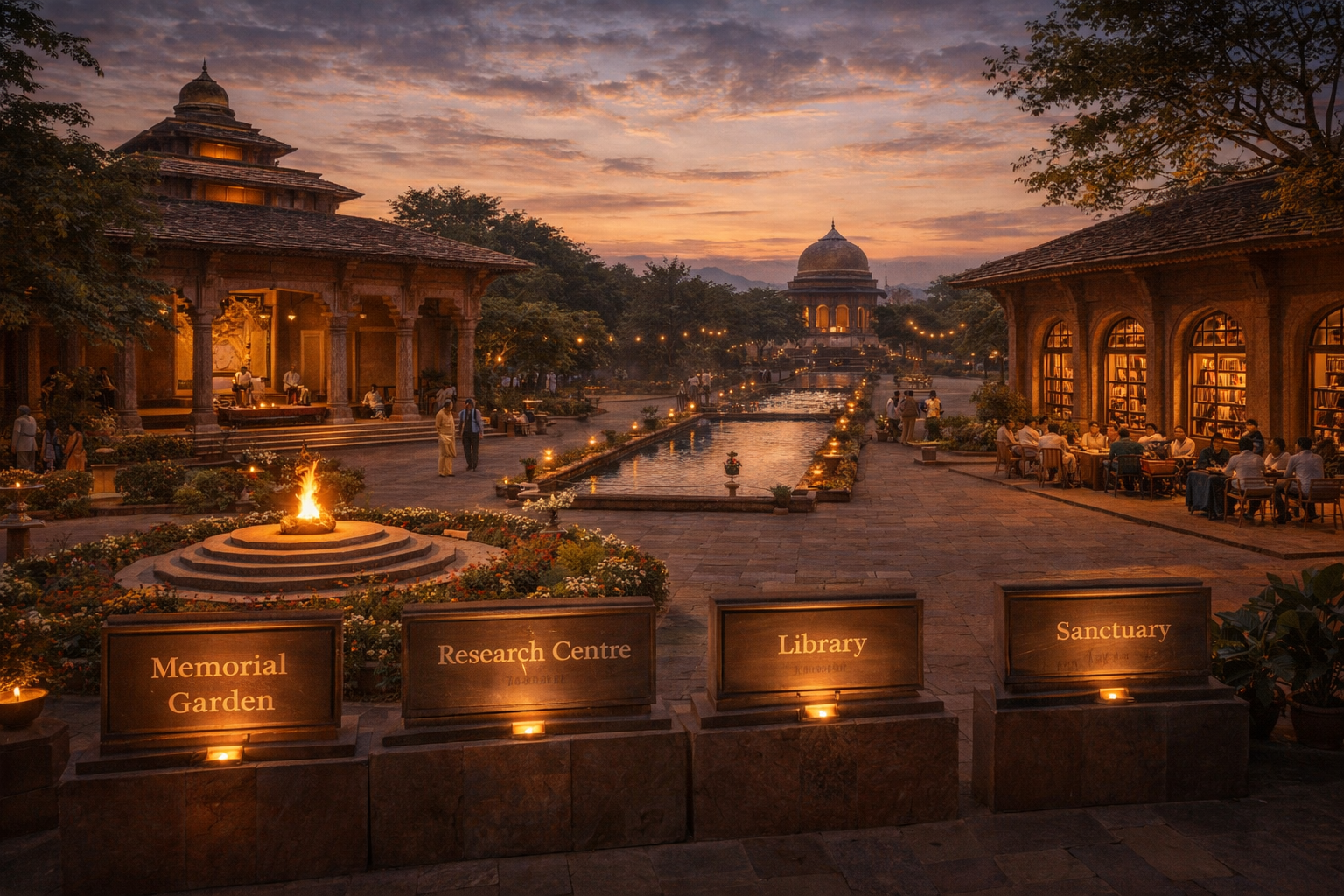
Organisations and individuals may sponsor specific spaces within the campus. Naming rights are available for:
For sponsorship discussions: partnerships@vibhajanvibhishikasmritinyas.org

The Nyas invites individuals who share the vision of honouring Punjabi heritage, promoting interfaith harmony, and preserving the memory of Partition to apply for a position as trustee.
To express interest: trustee@vibhajanvibhishikasmritinyas.org
Companies seeking to align their CSR mandates with cultural preservation, heritage, interfaith harmony, or sustainable agriculture will find a natural partner in the Nyas. Impact reports are provided to all corporate partners.
Current CSR opportunities: Museum programme funding · Library digitisation project · Organic farming sustainability programme · School immersion programme · Annual folk music festival.
Contact: partnerships@vibhajanvibhishikasmritinyas.org
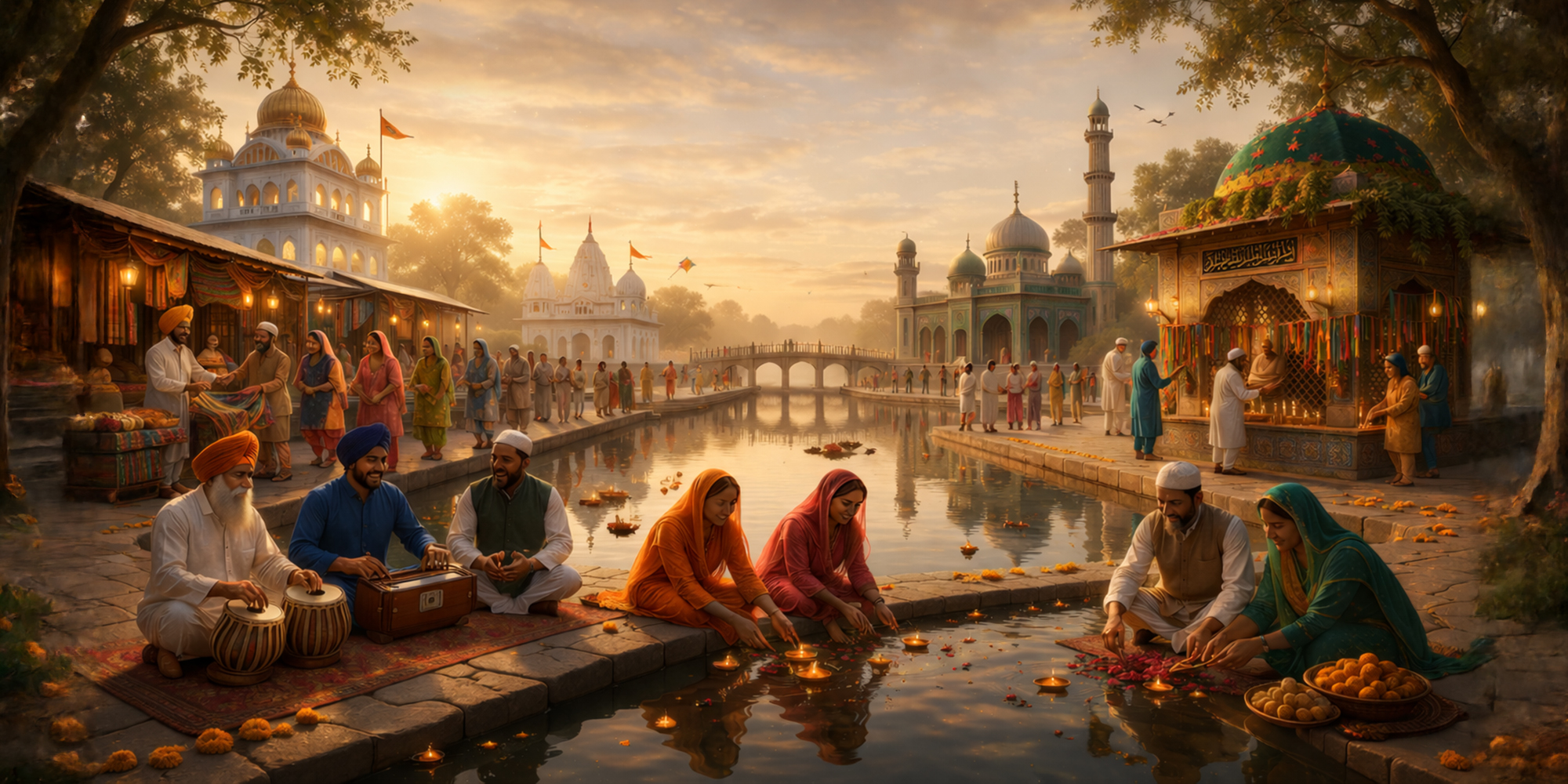
Sanjha is a Punjabi word meaning “shared” or “held in common.” It is the philosophical core of this project. The undivided Punjab was a land where Hindu, Sikh, and Muslim communities shared shrines, songs, festivals, trades, and neighbourhoods. Borders did not exist between devotional traditions; they were invented by political circumstance.
The Nyas uses the undivided map of Punjab as its central recurring motif — not as a political statement, but as a reminder of what once was, and what survives in memory, music, craft, and spirit. Every gallery, every temple, every orchard and waterway is shaped by this idea: that what is shared is always larger than what divides.
The site at Panj Darya — “Five Rivers” — was chosen with intention. Its name echoes the five rivers of undivided Punjab (Jhelum, Chenab, Ravi, Beas, Sutlej) that gave that land its identity and its name. Nestled in the foothills of Uttarakhand, it offers the stillness, the green landscape, and the natural water presence that the vision demands.
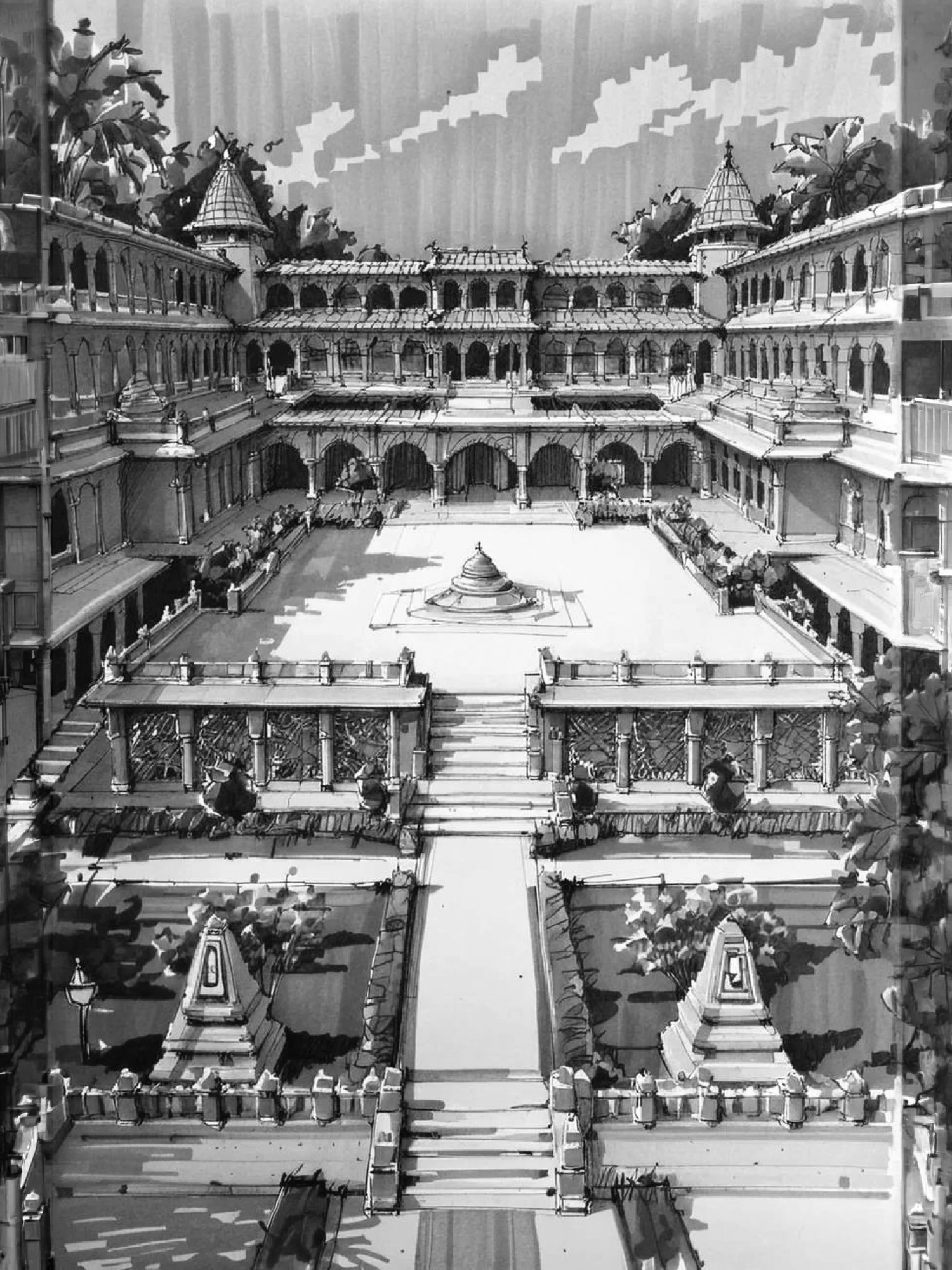
The campus is designed for a 32–33 acre site. Ground coverage is kept deliberately low (28–32%) and building height is limited to G+1, allowing the landscape, water, and sky to dominate the experience. This is a campus that belongs to the land, not one that overwhelms it.
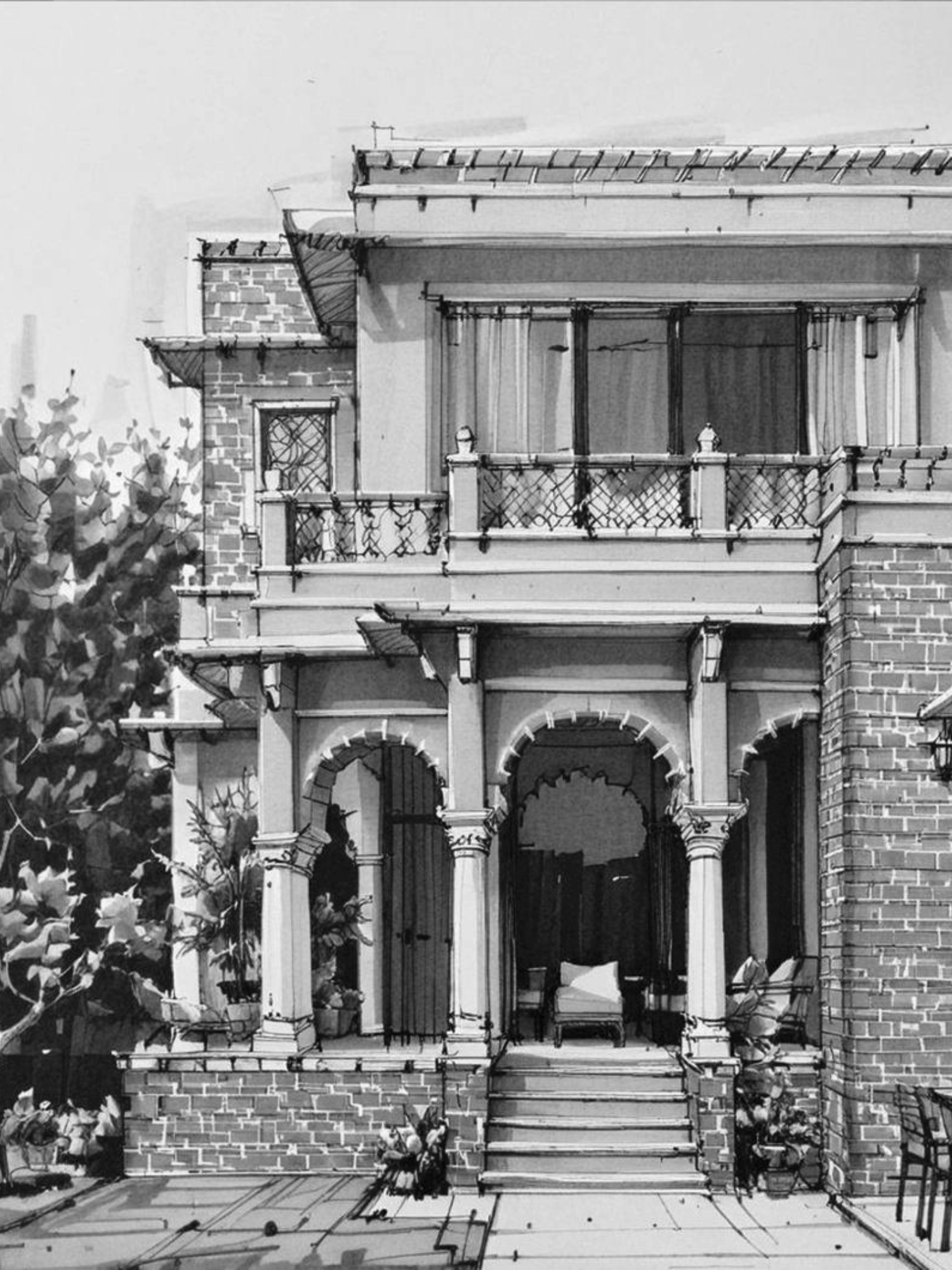
The Vibhajan Vibhishika Smriti Nyas is a registered charitable trust governed by a board of trustees who share a commitment to cultural preservation, interfaith harmony, and the honouring of Partition memory. The trust operates on a non-profit basis. All funds received are directed toward construction, programming, archival work, and community welfare.
Donations are eligible for 80G income tax deduction. Annual reports and audited accounts are published on this website.
In 1947, the land of five rivers was divided. Millions were displaced. Centuries of shared culture, sacred shrines, and living heritage were torn apart overnight. Vibhajan Vibhishika Smriti Nyas is built so that nothing is forgotten.
Copyright © 2026 All Rights Reserved.